
A step-by-step breakdown of how the Affiliate Dragons team, in partnership with ROIads, ran a McAfee antivirus offer on push notification traffic — and what every affiliate can take away from it.
A McAfee antivirus offer was run on desktop push notification traffic through ROIads. Campaigns were structured by browser (Chrome vs Edge), subscriber type (new vs full base), and optimized through creative rotation and source-level blacklisting. The result: 125% ROI. Below is the complete step-by-step account of how it was approached.
The antivirus vertical doesn’t trend. It doesn’t generate the buzz that iGaming or dating does. But in the Dragons’ experience, it is one of the most consistently profitable verticals in performance marketing — especially when push traffic is involved.
This case study is being shared not because it was our most glamorous campaign, but because it represents exactly the kind of methodical, repeatable approach that works across dozens of antivirus offers. It’s a learning case — a real example of what a properly structured push campaign looks like from start to finish.
A Word on the Partnership
This campaign was run in collaboration with ROIads, who provided the push notification traffic. Affiliate Dragons provided the McAfee offer and managed campaign strategy and optimization. The results below reflect that joint effort — and the kind of performance that becomes possible when quality traffic is matched with the right offer.
1️⃣Why McAfee, and Why Push?
Before getting into the mechanics of campaign setup, it’s worth understanding why this specific combination — McAfee + push ads — was considered a strong starting point.Context
The Antivirus Demand Signal
Device protection is not a seasonal need. Subscriptions expire, operating systems age, and new cybersecurity threats are reported daily. Users are in a constant “problem-aware” state — which means intent is already present before a single ad is shown. The job of the creative is not to educate; it’s to remind.Format Match
Why Push Notifications Work Here
Push notifications are designed to look like native OS alerts. In the antivirus vertical, this is a genuine advantage — a notification warning about device security feels native to the format. It doesn’t look like an ad; it looks like a system reminder.
Additionally, push traffic reaches users on desktop devices, where antivirus purchases are most commonly completed. This format-to-intent alignment is a meaningful conversion driver.Offer Logic
Why McAfee Specifically
McAfee is recognized globally. In Tier-1 markets — the US, UK, Germany, France — this brand is already trusted. Running a push campaign on a recognized antivirus brand means the creative doesn’t need to build trust from scratch; the brand does that work. The ad simply needs to land at the right moment.
2️⃣Campaign Structure: How It Was Set Up
The architecture of the campaign was established before a single dollar was spent. Structure determines how clean your data will be, and clean data is what makes optimization possible.
| Parameter | Setting |
|---|---|
| Ad Format | Push Notifications (Desktop) |
| Offer | McAfee Total Protection |
| Target OS | Windows 7, 8, 10, 11 |
| Browsers (split) | Chrome / Edge — separate campaigns |
| Subscriber Type | New subscribers + Full base — split |
| Frequency Cap | 1 impression per user |
| Bidding | AI bidding (ROIads) — initial phase |
| Traffic Type | Premium push sources via ROIads |
The Browser Split Decision
Separating Chrome and Edge traffic from day one was one of the most deliberate structural choices made. Here’s why this matters:
Icon Relevance
Push creatives include a small icon. When browser-specific icons (Chrome or Edge logo) are used in notifications targeting that browser’s user base, perceived legitimacy increases. An Edge user seeing an Edge-framed security notification reads it differently than a generic alert.
Behavioral Differences
Chrome and Edge users convert at different rates in the antivirus vertical. Treating them as a single segment would produce averages — which would make it impossible to bid correctly for either. Separated campaigns produced separated signals.
Bid Precision
Cost-per-conversion differs between browsers. Running separate campaigns allowed bids to be calibrated to actual performance, rather than applying a single bid to two audiences with different conversion economics💡
Dragons’ Note: This four-campaign structure (Chrome New / Chrome Full Base / Edge New / Edge Full Base) is the same framework we apply across most push campaigns in utilities and antivirus. It’s not overcomplicated — it’s precise. The data justifies the setup every time.
3️⃣Creative Approach: What Was Run and Why
In push advertising, the creative is the first point of contact. In the antivirus vertical, the approach that was chosen was brand-forward rather than aggressive.
The Two Schools of Antivirus Creatives
Two main approaches dominate antivirus push campaigns:Approach A
Incentive-Driven
These creatives are built around a compelling reason to act right now — a limited-time discount, a bonus offer, or an expiring deal. The user is pushed toward a decision not by fear, but by the value they’d be leaving on the table by doing nothing. Urgency is real, not manufactured.Approach B — What Was Used
Brand-Forward / Authority-Led
These creatives lead with the McAfee brand identity, use measured urgency (“Your protection has expired” rather than “18 viruses detected”), and rely on brand trust to do the conversion work. CTR may be slightly lower, but conversion quality is higher and the approach is more durable over time.
Creative Angles Tested
Multiple variants were produced and rotated across the following angles:
Discount-Led Messaging
Active promotional pricing was highlighted in the creative — but not invented. This angle worked specifically because McAfee regularly runs its own discounts directly on the purchase page. The push notification reflected what the user would actually see upon landing, creating a natural synergy between the ad message and the offer itself. When the discount is real and already present on the advertiser’s side, price-led urgency doesn’t need to be manufactured — it just needs to be surfaced.
Renewal Reminder
Framed as a service communication — subscription expiry, protection gap, upcoming renewal window. This angle converts well with users who have historically used McAfee and may have lapsed.
✅ Creative Rule: A minimum of five creative sets were launched simultaneously. In push traffic, what converts is rarely what’s predicted. Launching with fewer than five is not testing — it’s guessing.
4️⃣Funnel Setup: From Notification to Conversion
Because McAfee is an established brand with a robust affiliate program, high-quality landing pages were available directly from the offer. This simplified the funnel significantly.
Push Notification → Pre-Lander → McAfee Purchase Page
A pre-landing page was used as an intentional middle step in the funnel. Its role was to warm the user and bridge the gap between the push notification and the McAfee purchase page — not to add friction, but to reduce it.
The pre-lander was built to feel native: the messaging, visual tone, and offer presented on it were kept as close as possible to what the user would encounter on McAfee’s actual purchase page. By the time the user landed on the offer, nothing felt unfamiliar or mismatched. That consistency is what keeps drop-off low at the final conversion step.💡
Dragons’ Note: Message continuity between creative and landing page is one of the most overlooked factors in push campaign performance. If the notification mentions a discount, the landing page should lead with that discount — above the fold, clearly visible. Every mismatch between what’s promised and what’s shown costs conversions.
5️⃣Launch Phase: Data Collection Before Optimization
One of the most common mistakes made in push campaigns is optimizing too early. Changes made before sufficient data has been collected are not optimization — they are interference.
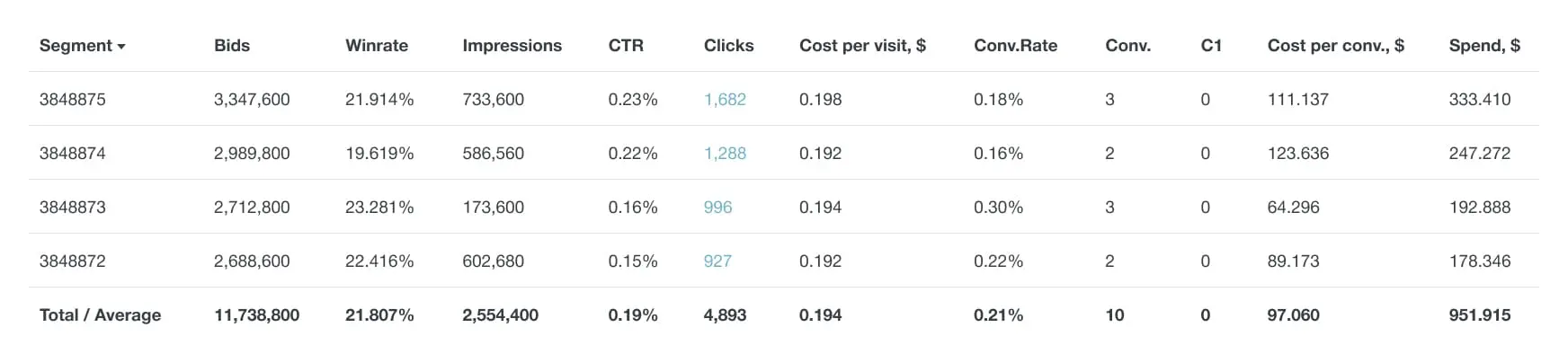
The initial phase of this campaign was treated strictly as a data collection window. ROIads’ AI bidding technology was activated from launch, which handled impression-level bidding intelligently without requiring manual input. This is the recommended starting point when a new offer and new geo combination is being tested — the algorithm needs volume before it can make meaningful adjustments.
⏱️Rule of Thumb: No structural changes were made during the data collection phase. Creative rotation was monitored, but no sources were blacklisted, no bids were adjusted, and no campaigns were paused. Patience during this phase is what makes the optimization phase meaningful.
6️⃣Optimization: What Was Changed and When
Once sufficient data was available, a structured optimization sequence was applied. Four primary levers were used:
Source-Level Blacklisting
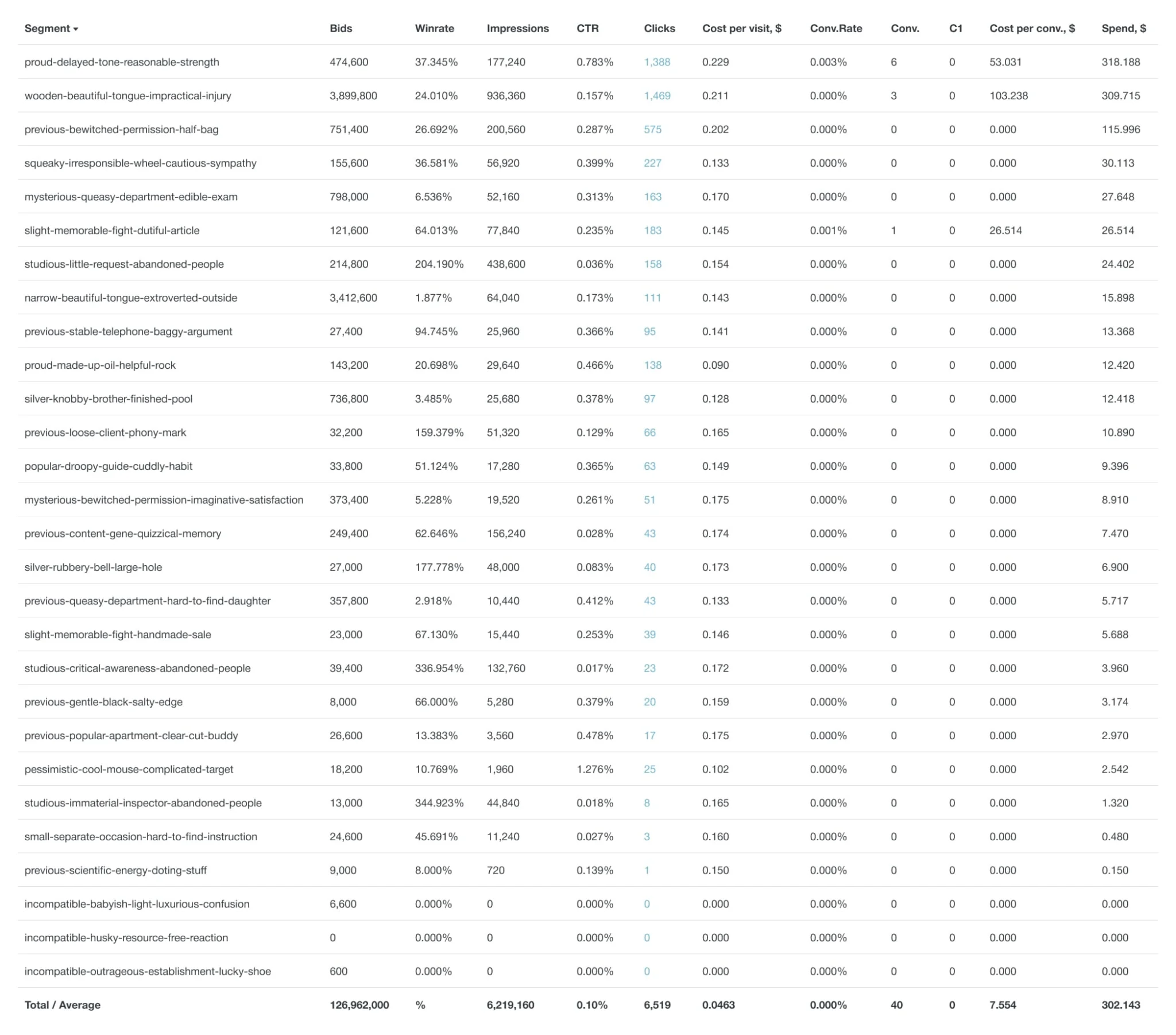
Traffic sources that generated clicks without producing conversions were identified and removed. Not all push sources perform equally on antivirus offers. Sources that performed well were maintained; underperformers were cut regardless of volume.
Bid Recalibration by Campaign
Each of the four campaigns (Chrome New / Chrome Full Base / Edge New / Edge Full Base) had produced separate conversion data by this point. Bids were adjusted individually based on actual cost-per-conversion per segment — not applied uniformly across all four.
Creative Rotation Against Fatigue
Push traffic has a high creative fatigue rate, particularly in the new subscriber segment. CTR was monitored actively. Creatives showing declining engagement were rotated out before performance degraded significantly — not after.Lever 4
Budget Reallocation to Top Segments
Chrome new subscriber campaigns outperformed the other three. Once this pattern was confirmed, budget was gradually reweighted toward the top-performing segment while maintaining presence in the others to preserve data visibility.
7️⃣Results
After the full campaign cycle — launch, data collection, and optimization — the final numbers looked like this:
| Metric | Result |
|---|---|
| Final ROI | 125% |
| Traffic Format | Desktop Push Notifications |
| Traffic Source | ROIads (premium push) |
| Offer | McAfee Total Protection |
| Top Performing Segment | Chrome — New Subscribers |
| Creative Approach | Brand-forward / Renewal + Discount angles |
| Bidding Method | AI Bidding (ROIads) — data collection phase |
| Frequency Cap | 1 per user |
The Chrome new subscriber segment was responsible for the majority of conversions. This is consistent with patterns observed across antivirus campaigns more broadly — recently opted-in subscribers are more engaged and more responsive to security-related messaging. The Edge campaigns contributed, but at lower scale; their separate structure meant the Chrome performance was not diluted.
🐉 Key Takeaways for Your Own Campaigns
Separate browsers from the start. Chrome and Edge are not the same audience. Bundling them produces average data that can’t be acted on. Separate campaigns produce clean, actionable signals from day one.2
Brand authority is a creative asset. When the offer is a recognized name like McAfee, the logo does conversion work on its own. Lead with it. Don’t bury it behind generic alert language.3
Data collection is not optimization. The early campaign phase should be protected from premature changes. Let the algorithm and the traffic work before interfering. The optimization phase only works if the data collection phase was clean.4
Test at least 5 creative sets. What converts is rarely what’s predicted. Multiple angles — system alert, discount-led, renewal reminder — should be tested simultaneously. Rotate based on CTR data, not intuition.5
Funnel consistency converts. The message shown in the notification must match what’s on the landing page. Disconnect between creative promise and landing page delivery is a silent conversion killer.6
Choose traffic partners with precision tools. ROIads’ AI bidding and premium push sources were integral to this campaign’s performance. The quality of the traffic layer directly affects what optimization can achieve.
💡Final Thoughts
This campaign is shared because it represents something more valuable than a single strong result — it demonstrates a repeatable, structural approach to running antivirus offers on push traffic. The 125% ROI was a product of setup discipline, creative testing, and systematic optimization. Nothing exotic.
The antivirus vertical rewards teams that are methodical. It doesn’t reward improvisation. And the partnership model — where ROIads provided premium, anti-fraud verified push traffic, and Affiliate Dragons managed the offer and campaign strategy — allowed both sides to operate at their strongest.
If you’re exploring antivirus offers, or if push traffic is something your team hasn’t fully explored yet, this playbook is a solid starting point. Start structured. Separate your segments. Let the data breathe. Then optimize.
Questions about the approach, the offer side, or how to structure your first antivirus push campaign? The Dragons are reachable. 🐉